Explore Chichen Itza with a clear and stress free plan
Chichen Itza is one of those places that can feel bigger than expected the moment you arrive.
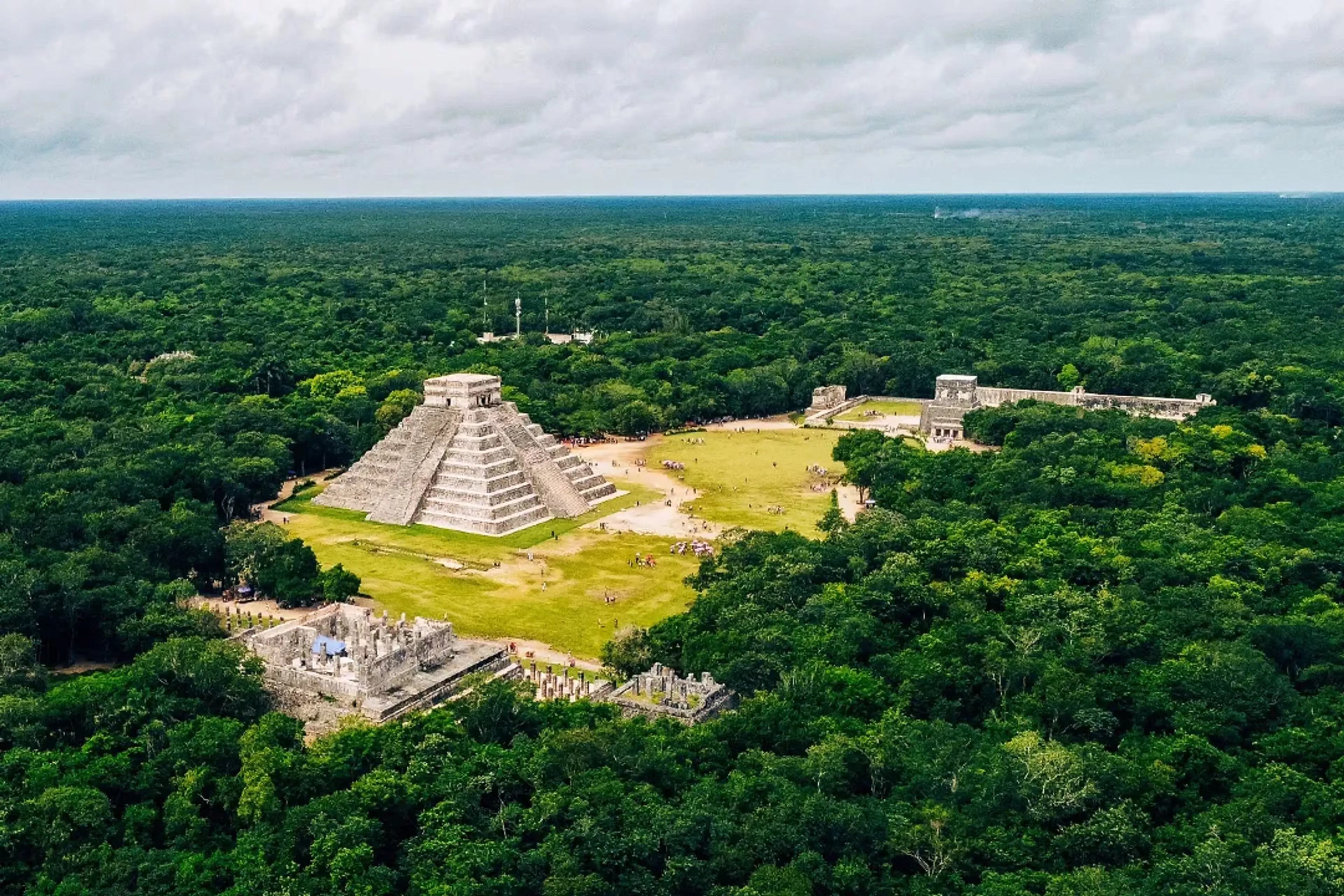
Beyond the famous pyramid, you will find ceremonial platforms, a giant ball court, sacred pathways, and architectural details that reveal how advanced Maya astronomy, engineering, and symbolism were.
Planning your visit in advance helps you avoid crowds and heat, giving you more time to truly read the site instead of just passing through it..
Chichen Itza Archaeological Site Visiting timetable
The site generally opens in the morning and closes in the late afternoon. Arriving early is highly recommended for cooler temperatures, softer light, and shorter lines at entry.
Chichen Itza Archaeological Site Closing Days
Chichen Itza normally operates year round, though schedules and access areas can change on national holidays, special events, or due to conservation work.
Where is Located
Chichen Itza, Tinum Municipality, Yucatan, Mexico
How to reach Chichen Itza
Most visitors come from Cancun, Playa del Carmen, Tulum, Merida, or Valladolid. You can arrive by organized tour, rental car, private transfer, or intercity bus depending on your pace and budget.
By Train
At the moment, many travelers use regional transport connections and transfer services that connect with major hubs in the Yucatan Peninsula. If you are combining rail and road, confirm the latest routes and transfer timing the day before travel.
By Car
Driving is one of the easiest options for flexibility. Roads are generally straightforward, and there is parking near the archaeological zone. Start early, carry water, and plan extra time for ticket lines and site walking once you arrive.
By Bus
Long distance buses run from Cancun, Merida, and Valladolid to Chichen Itza or nearby points, with schedules that vary by season. Morning departures are ideal so you can enter early and avoid the strongest midday heat.
On Foot
If you stay in hotels near the site, you can often reach the entrance on foot or with a short taxi ride. Walking is practical only in the immediate Chichen Itza area; most travelers still arrive by road transport from larger cities.
Why visit Chichen Itza
Because this is not just a famous pyramid. It is a complete urban and ceremonial landscape where astronomy, politics, religion, and daily life were carved into stone with extraordinary precision.
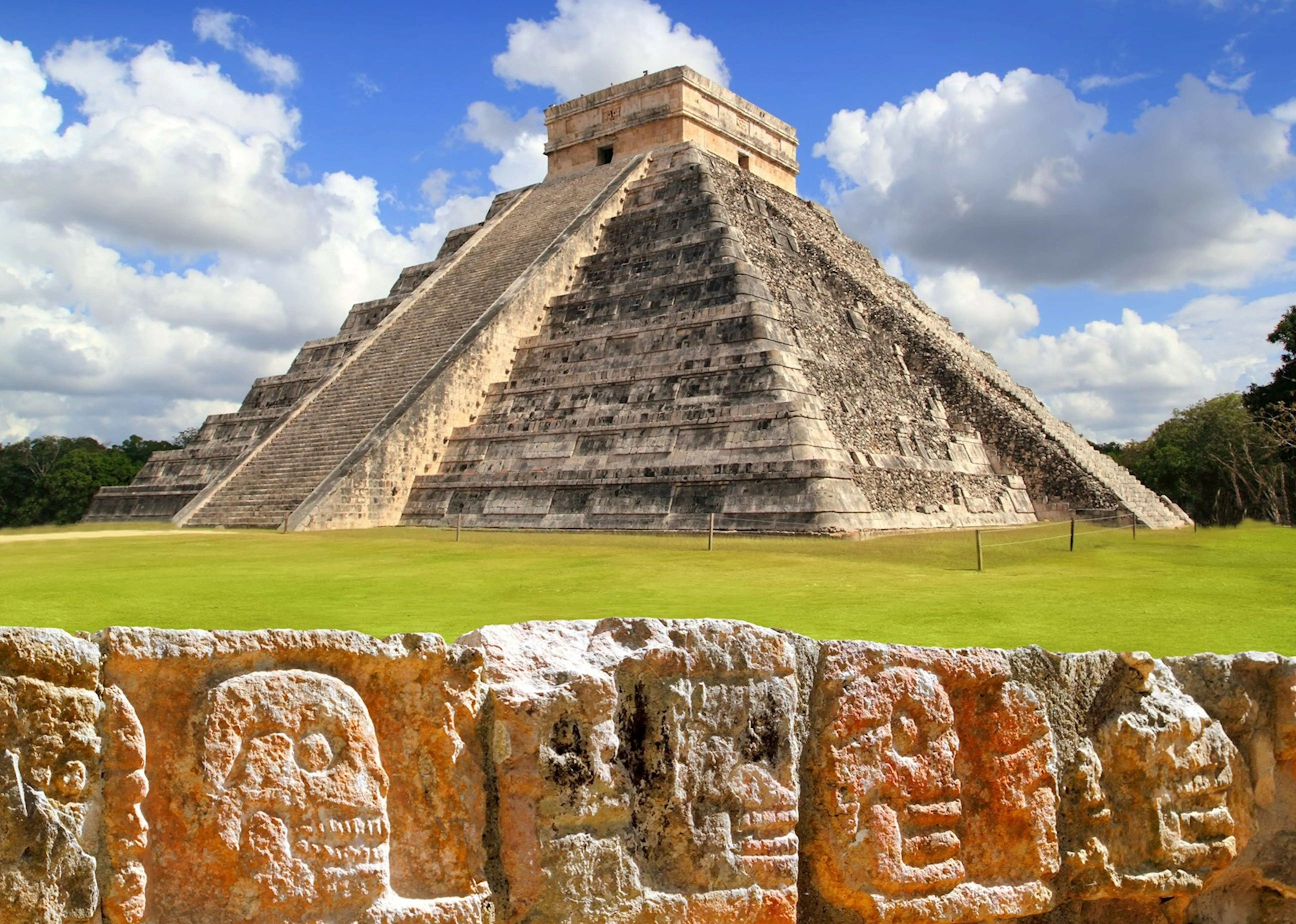
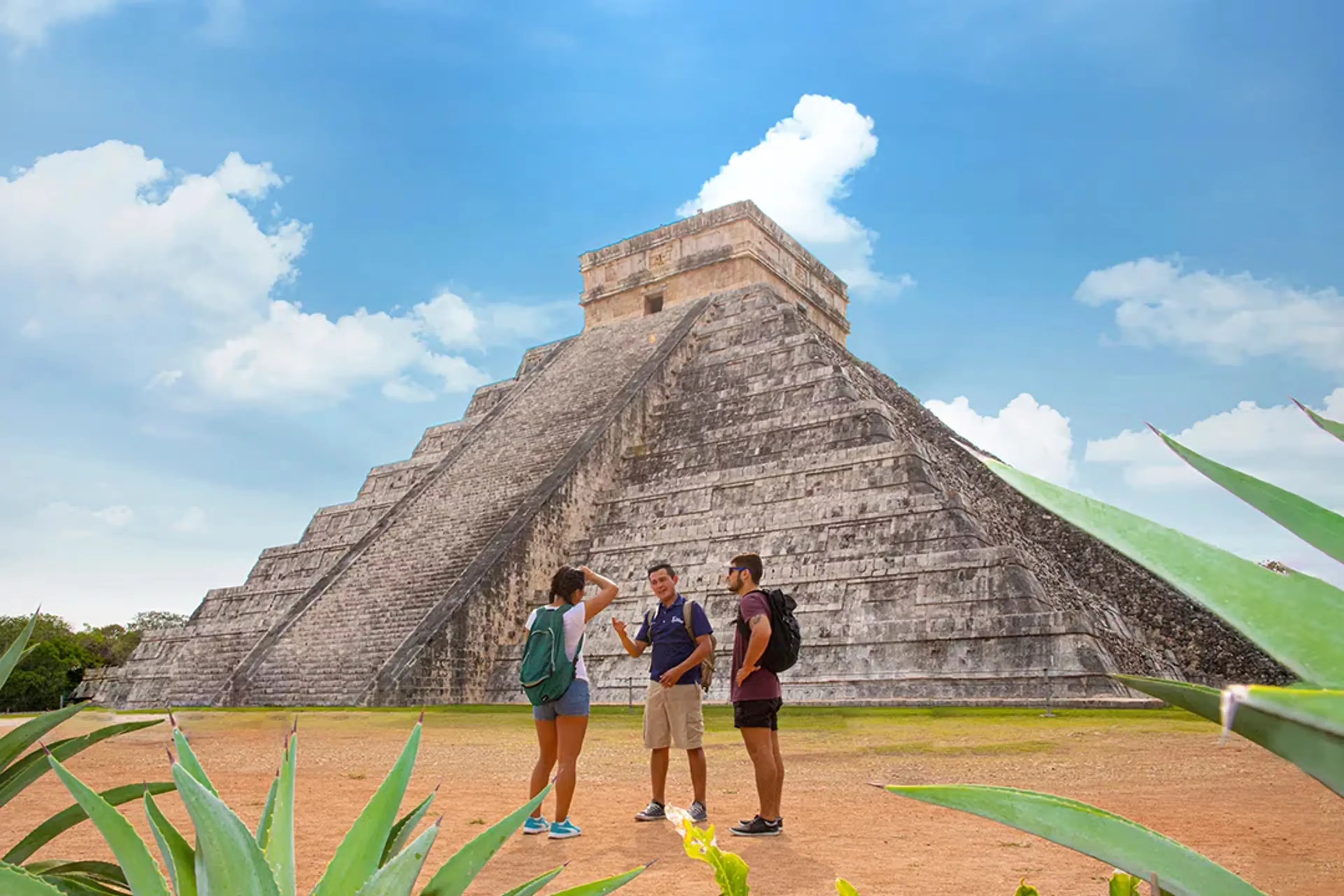

Chichen Itza Archaeological Site
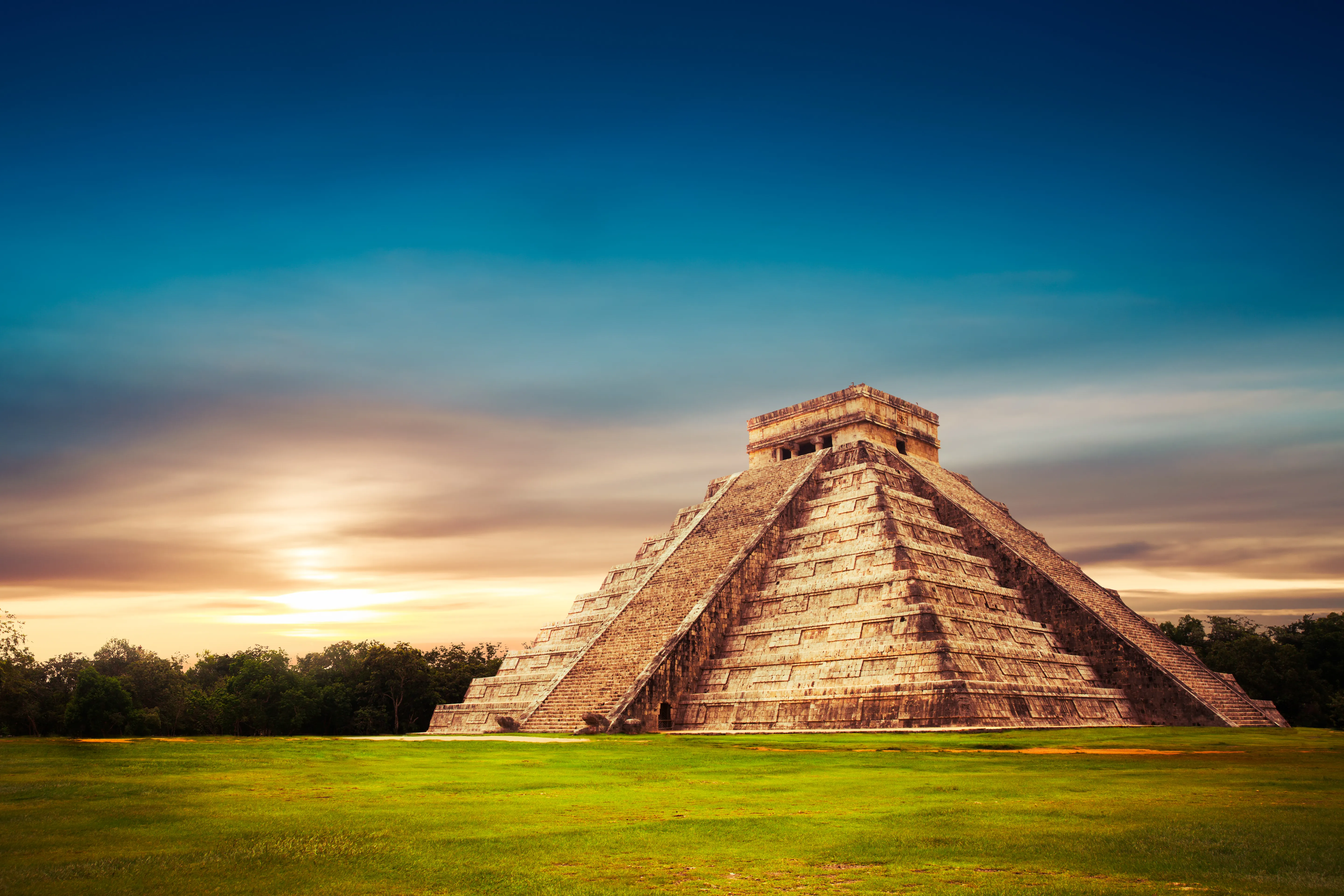
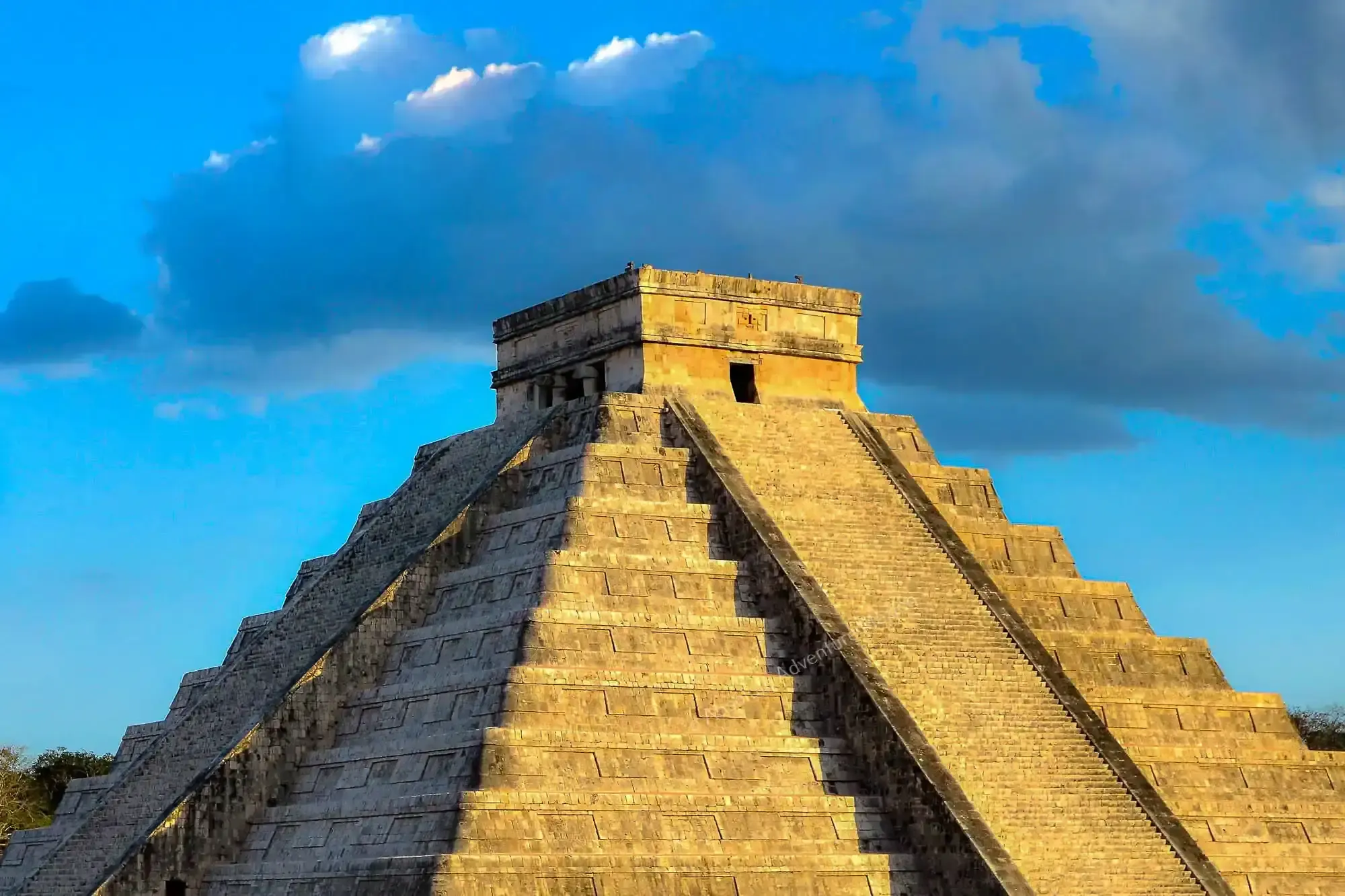
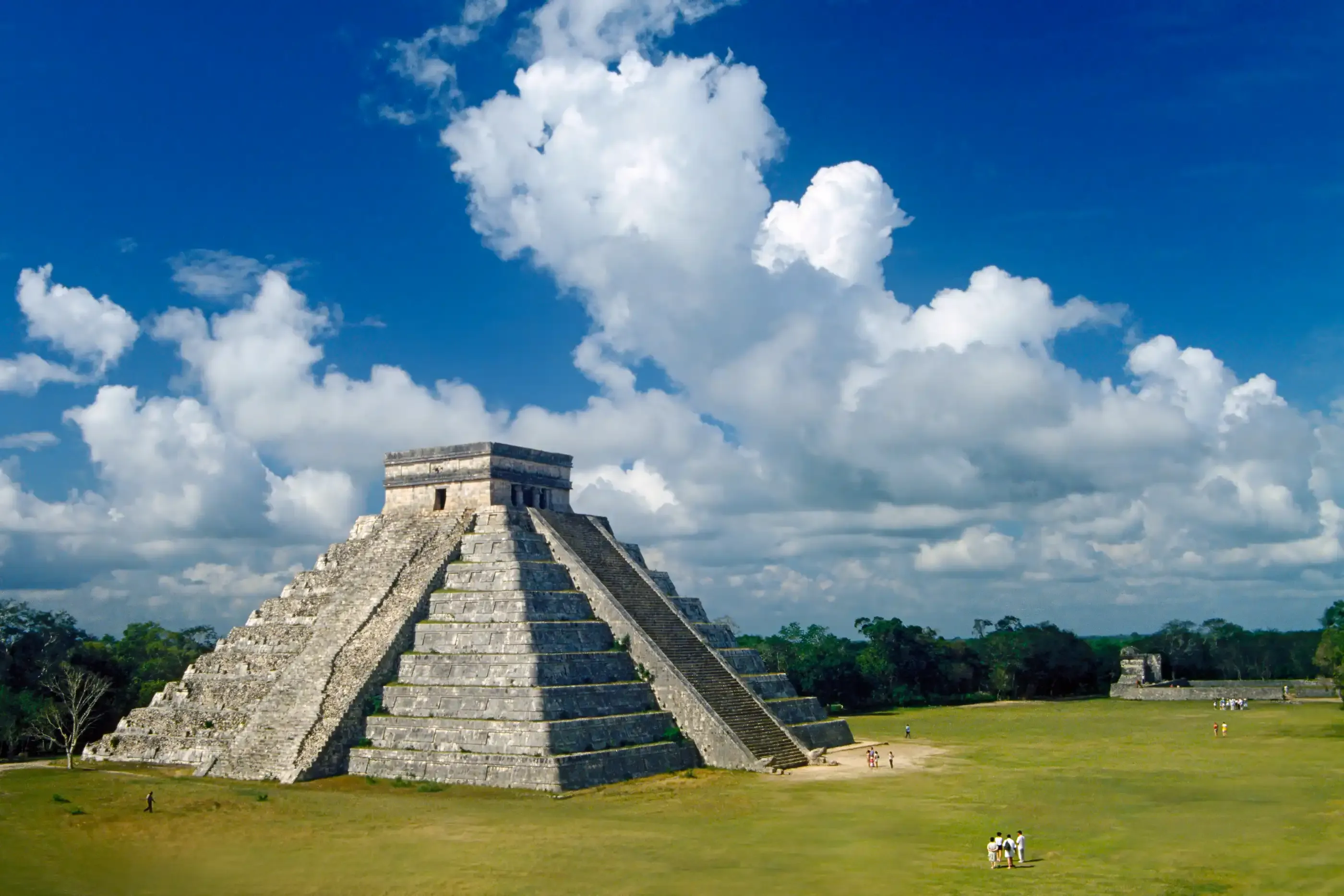
El Castillo and central ceremonial zone
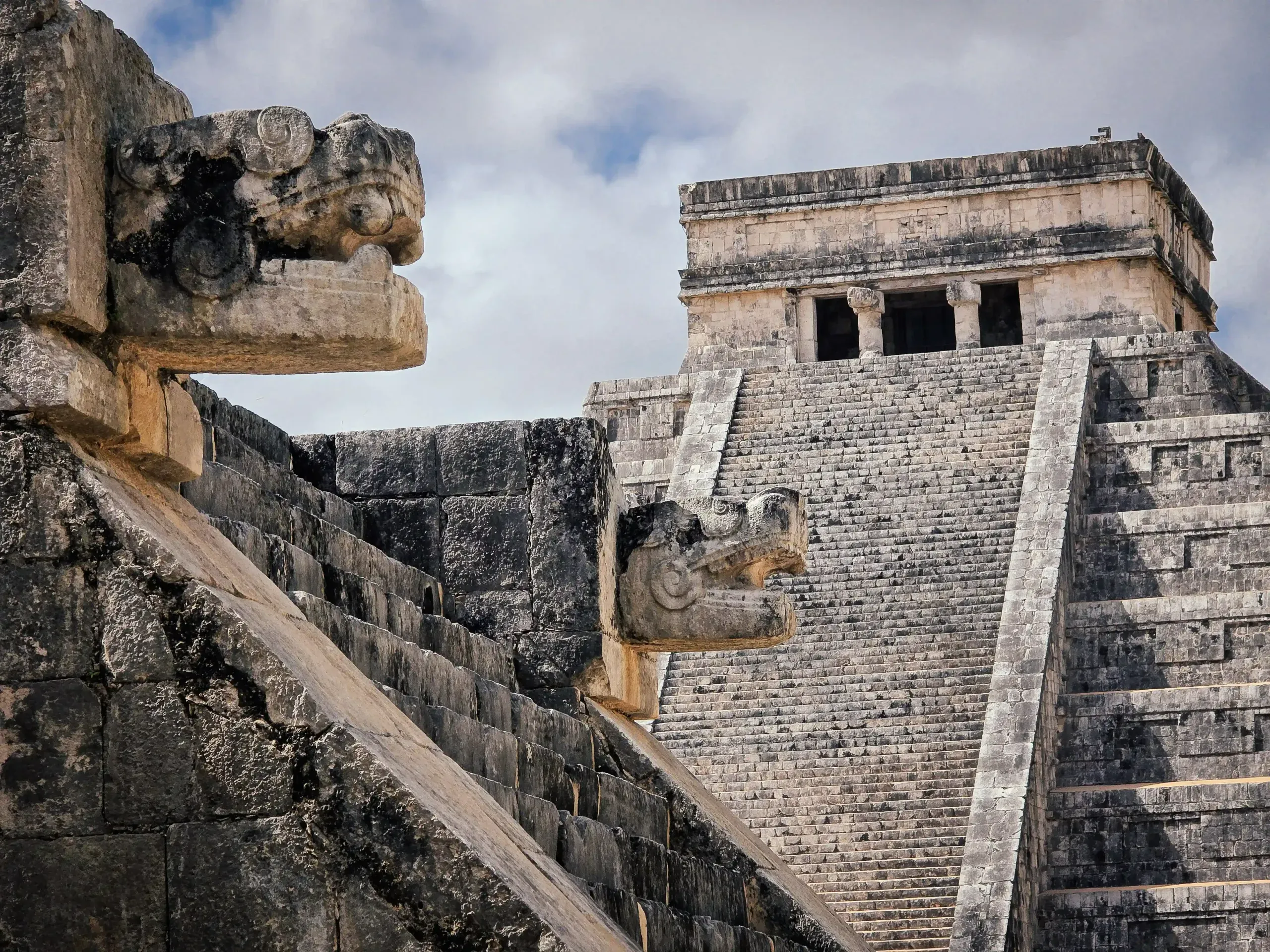
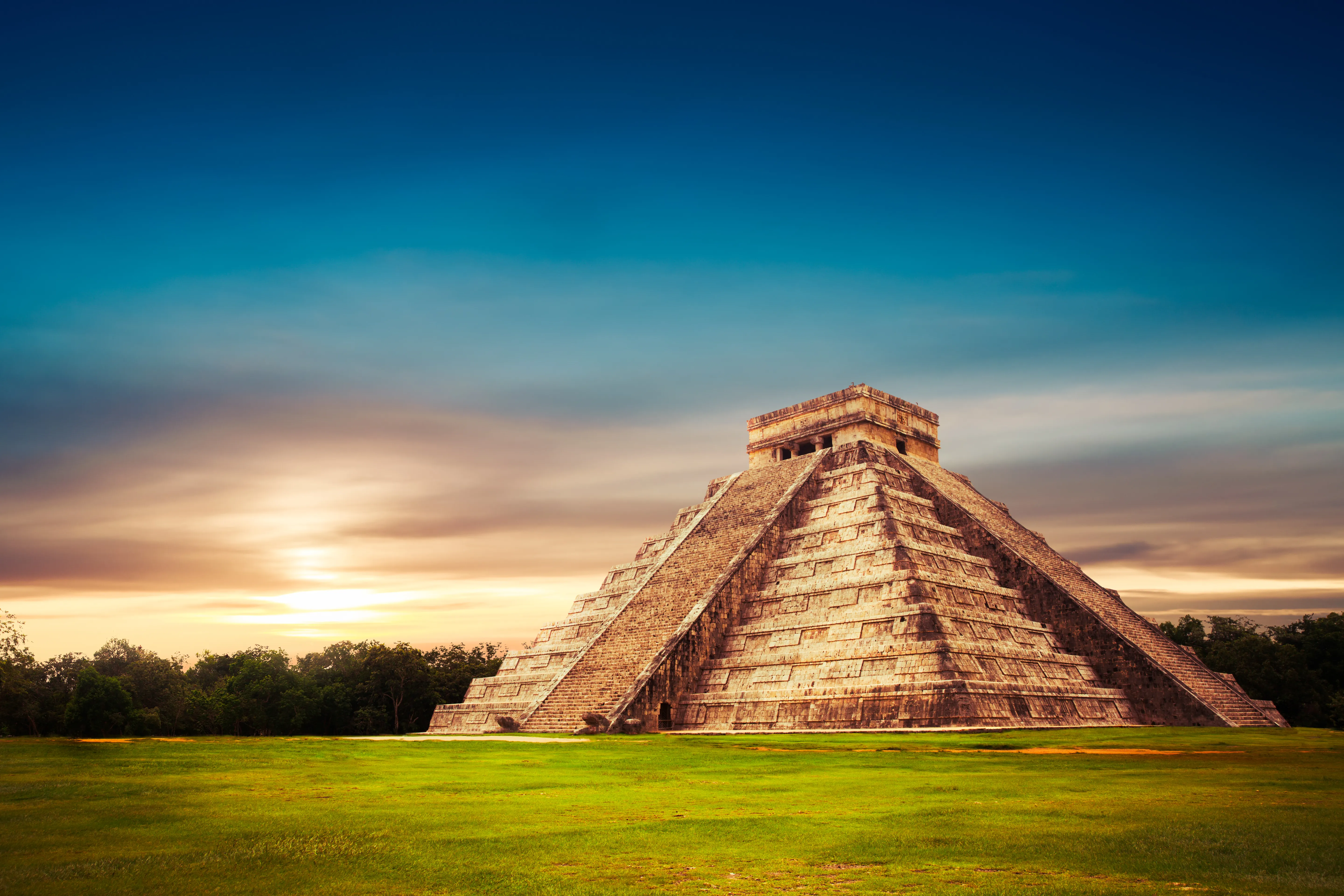
The area around El Castillo is the symbolic heart of the site, where geometry, cosmology, and power are expressed in the pyramid's design and orientation. It is the most photographed structure, but also one of the richest in meaning.
Great Ball Court and Temple of the Jaguars
At the Great Ball Court, scale alone is striking, and acoustics are surprisingly clear. Relief carvings and nearby temple structures point to the ceremonial and political role of the game in Maya society.
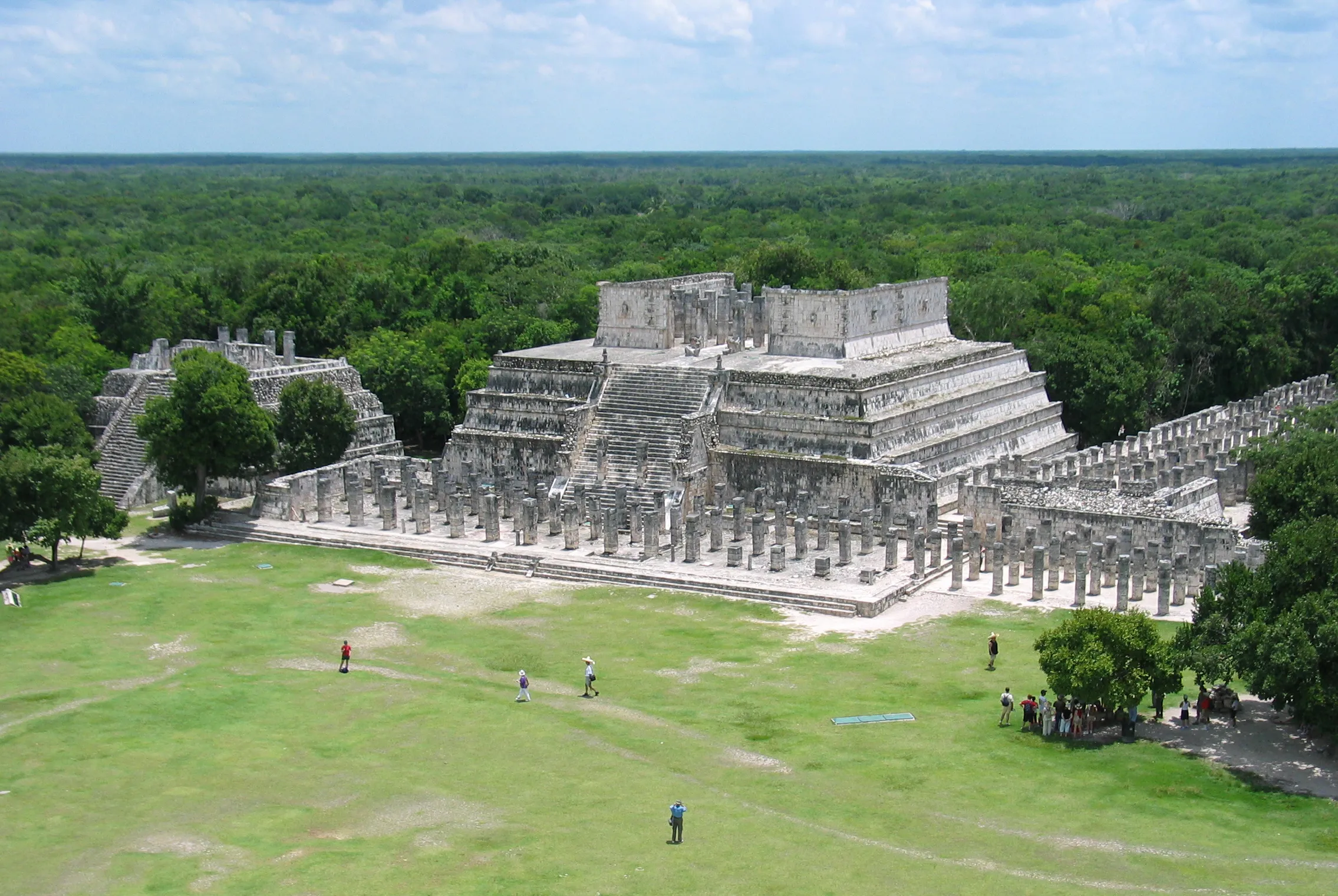
Temple of the Warriors and sacred spaces
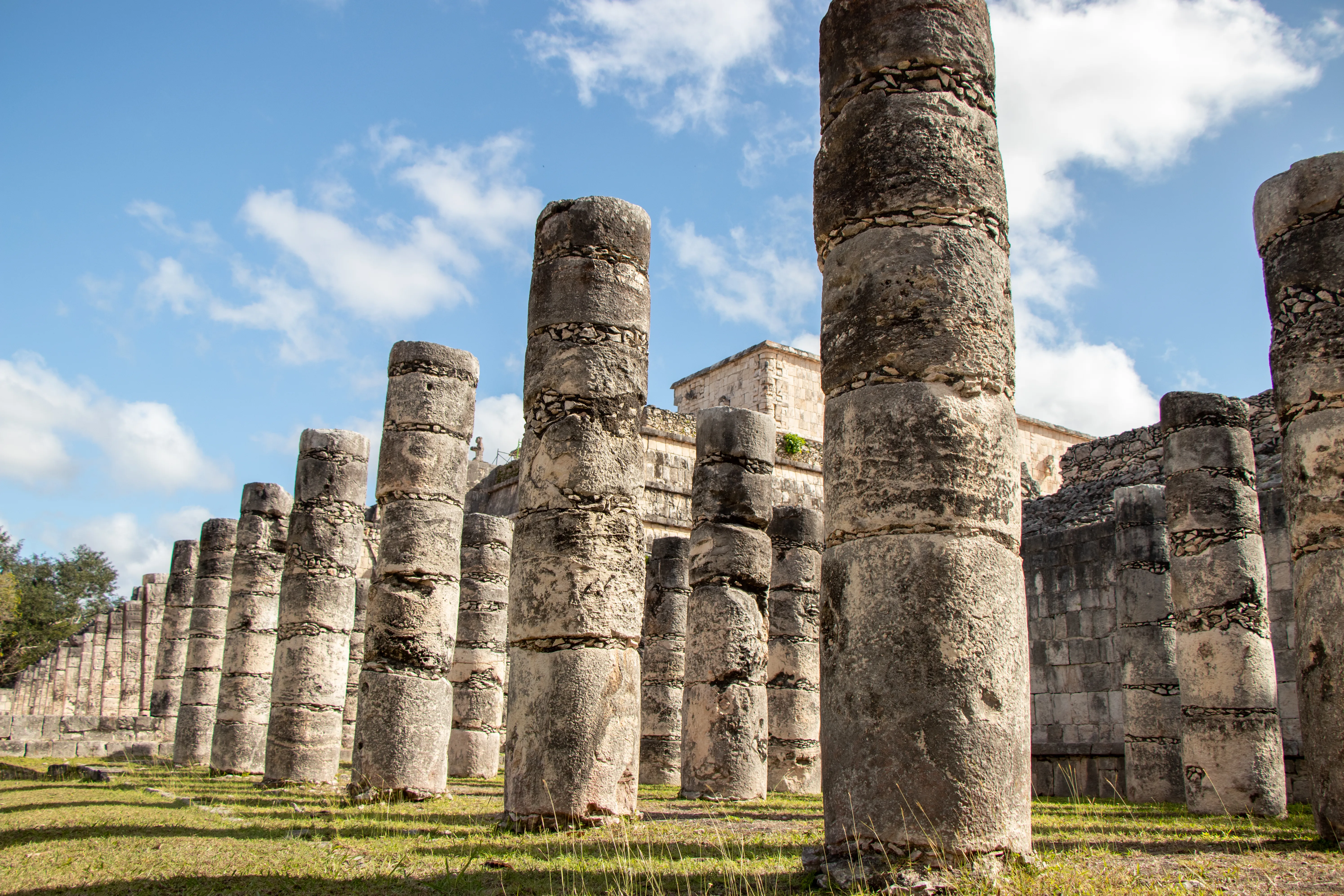
This zone combines rows of carved columns, elevated platforms, and ceremonial architecture that reveal the city's complex social world. As you walk through it, the site feels less like ruins and more like an organized urban landscape.
Chichen Itza at a glance
Quick answers before your visit.
Book your Chichen Itza entry and tour
Choose basic entry if you want flexibility, or a guided package if you want deeper historical context.
Many travelers combine Chichen Itza with cenotes, Valladolid, or nearby cultural stops to build a full day itinerary.